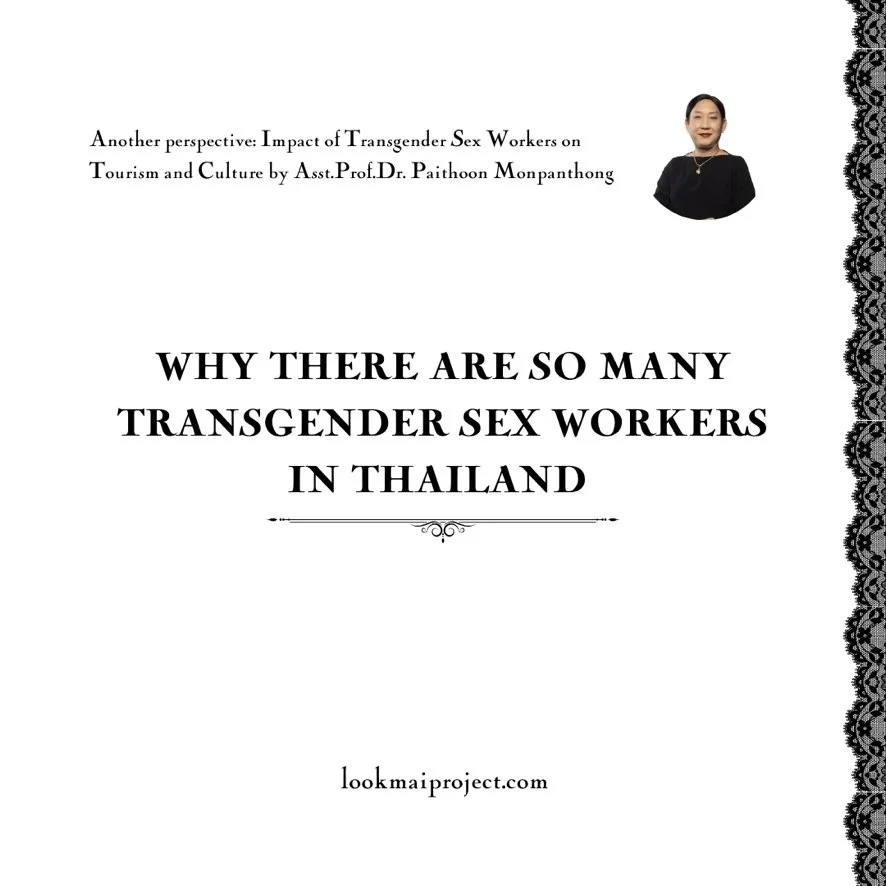
IMPACT OF TRANSGENDER SEX WORKERS ON TOURISM AND CULTURE
A public dialogue exploring how employment discrimination, social stigma, and tourism intersect—and what a more inclusive future for Thailand could look like.
-
This discussion begins by examining the structural reasons why many transgender women enter Thailand's sex industry. Rather than viewing the issue through stereotypes or individual choices alone, it explores the broader social, cultural, and economic factors that shape these realities.
-
Drawing on insights from Asst. Prof. Dr. Paithoon Monpanthong, the discussion connects tourism, culture, and gender diversity to better understand how public perception influences both the transgender community and Thailand's international image.
-
The conversation concludes by exploring how governments, businesses, educational institutions, and civil society can work together to expand dignified employment opportunities while strengthening Thailand's creative economy and cultural leadership.
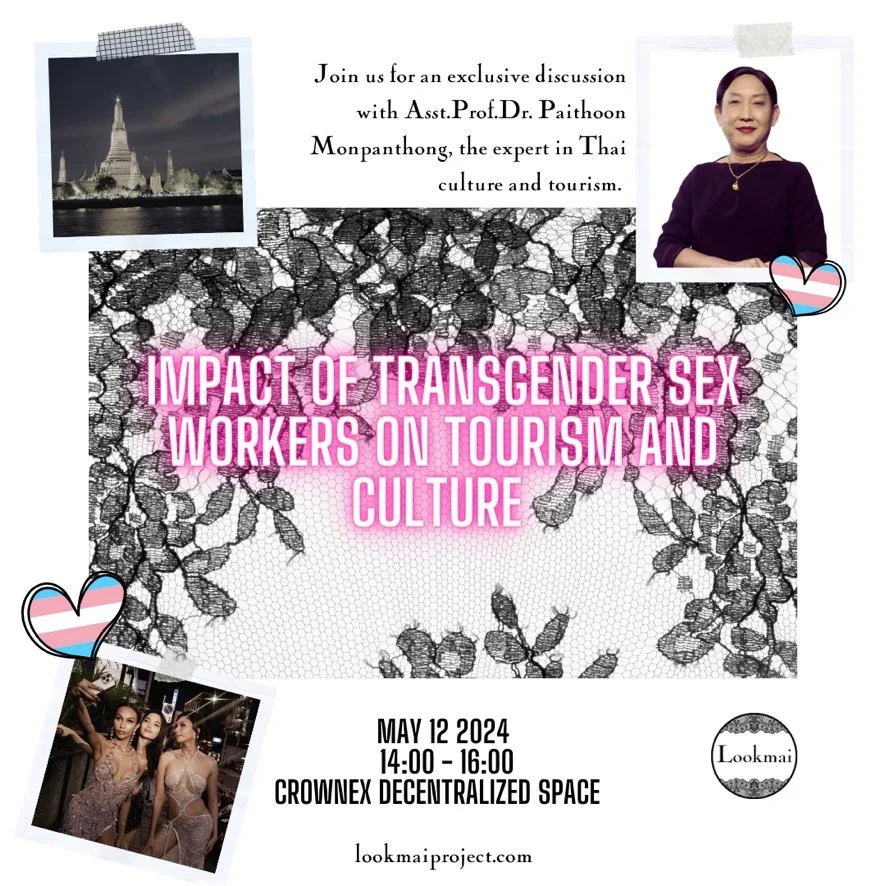
Meet the Speaker
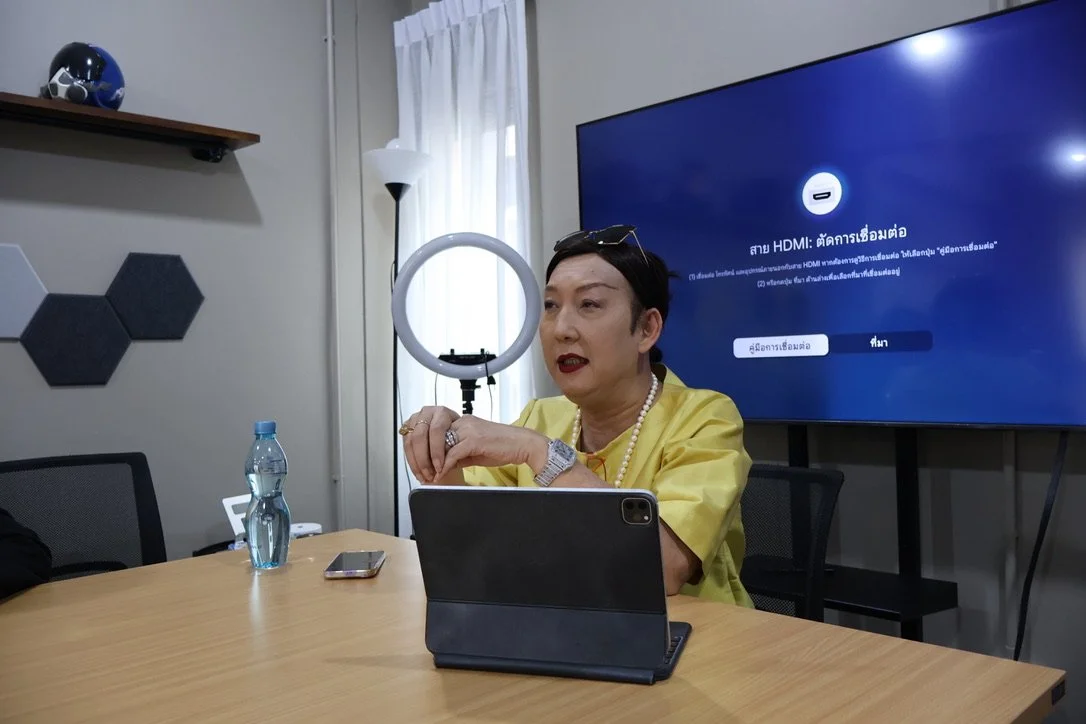
Asst. Prof. Dr. Paithoon Monpanthong
Assistant Professor Dr. Paithoon Monpanthong is a Thai scholar specializing in tourism, culture, and community development. His research explores the relationship between cultural identity, sustainable tourism, and social inclusion, with particular interest in how marginalized communities interact with Thailand's tourism industry.
In this seminar, Dr. Paithoon examines the intersection of transgender identity, sex work, tourism, and public perception—offering an academic framework for understanding one of Thailand's most complex social issues beyond stereotypes and sensational narratives.
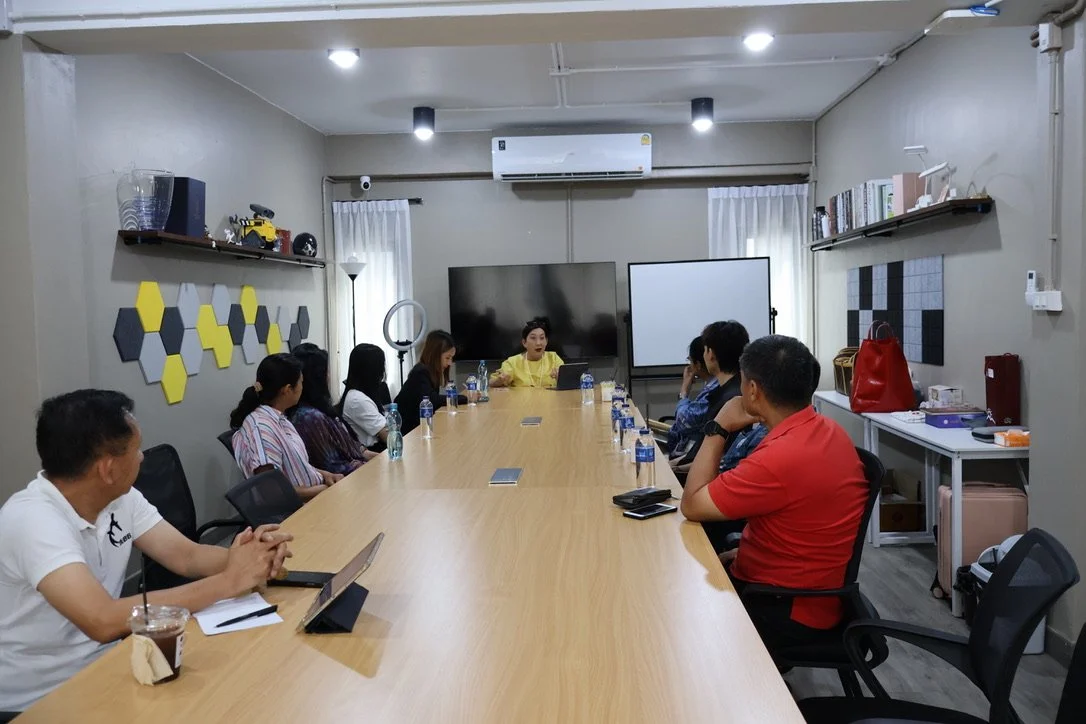
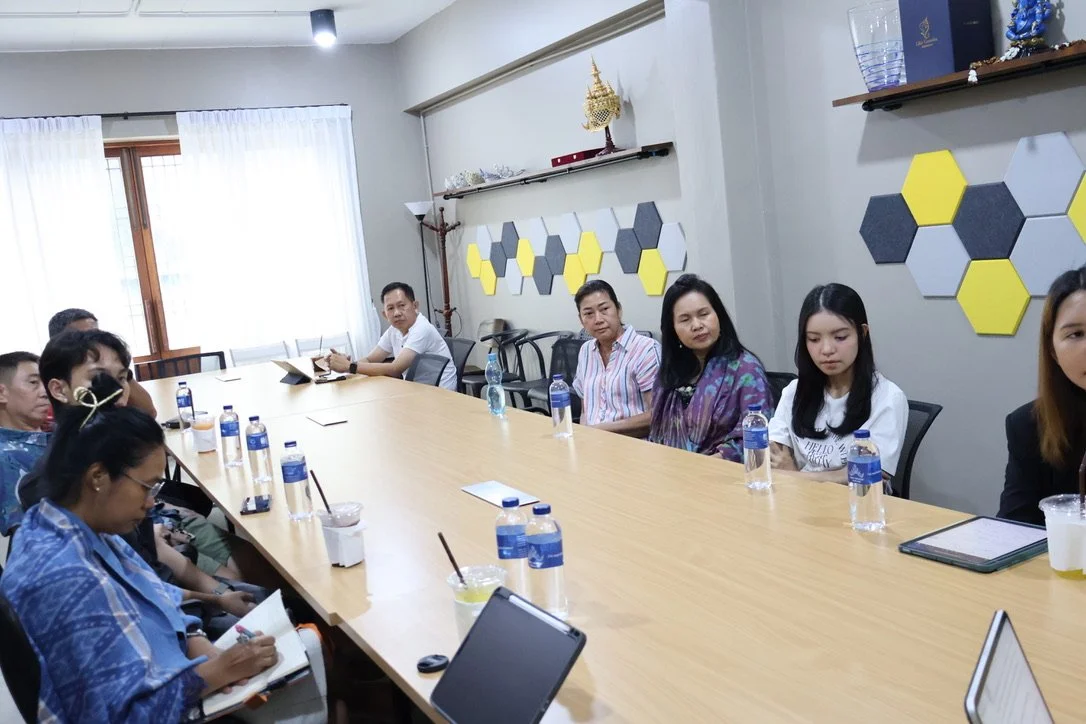
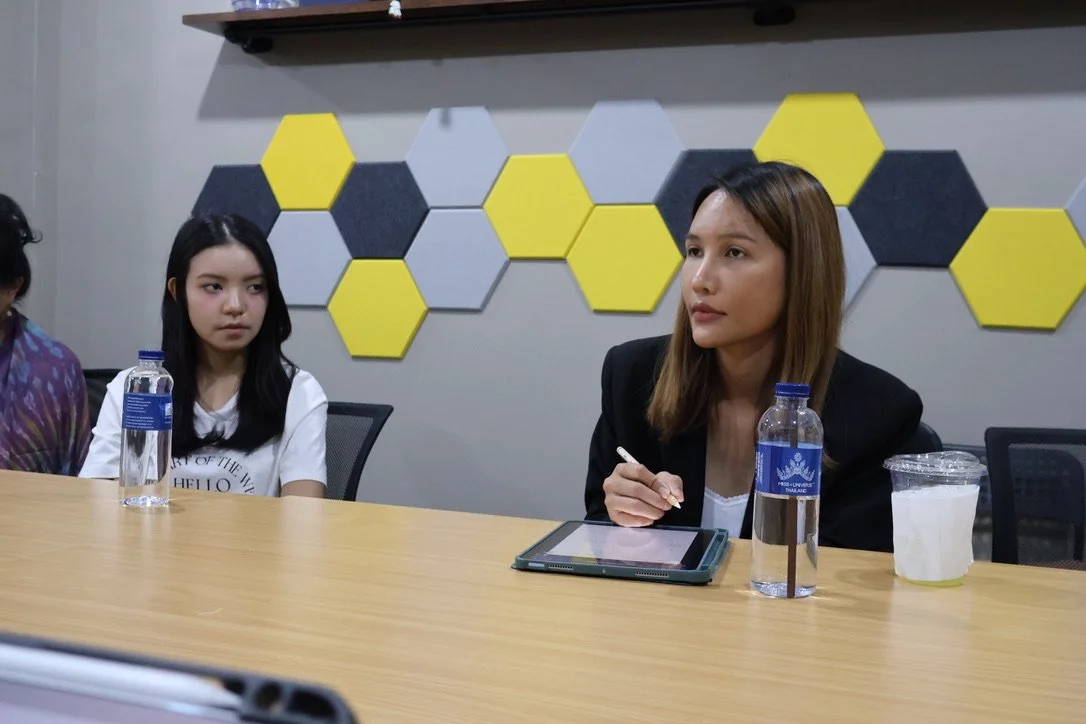
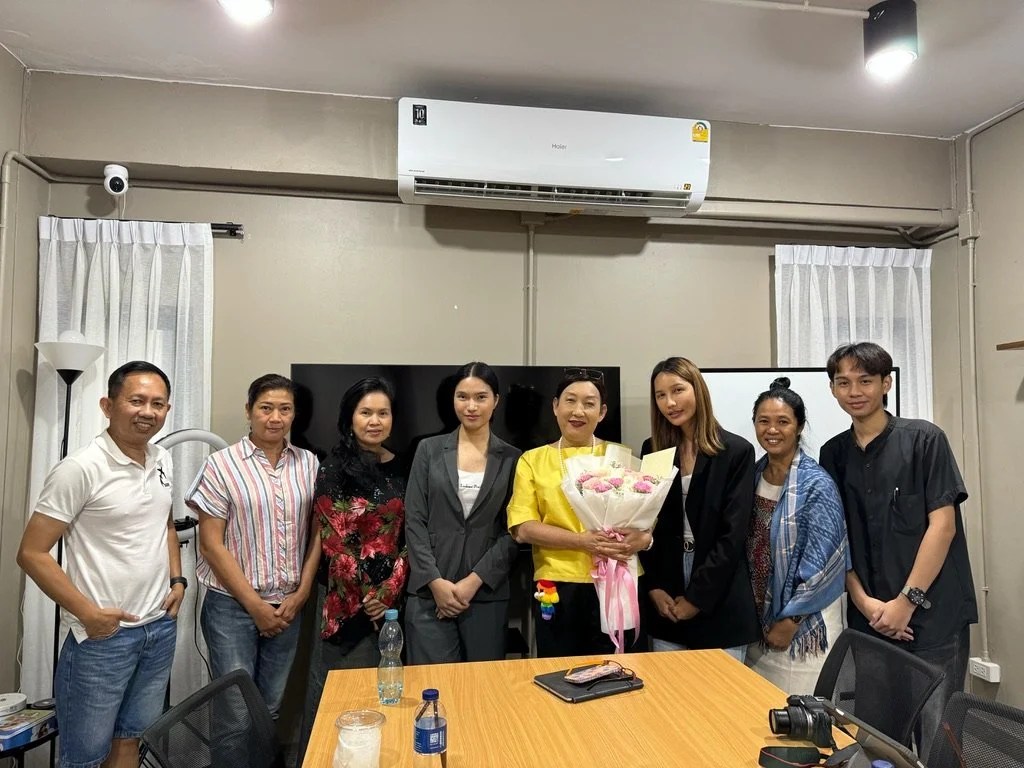
Hosted by: Lookmai Project
Date: 12 May 2024
Venue: Crownex Decentralized Space
Why This Conversation Matters
Thailand is internationally recognized for its vibrant tourism industry and visible transgender community. Yet behind this visibility lies a more complex reality. Many transgender women continue to encounter barriers in education, employment, healthcare, and social acceptance, limiting access to stable career opportunities.
As a result, the sex industry has historically become one of the few accessible sources of income for many members of the community—not simply as a matter of personal choice, but often as a consequence of limited alternatives.
Understanding these structural conditions is essential for developing policies that promote dignity, opportunity, and long-term inclusion.
Key Insights
-
Social Exclusion Begins Early
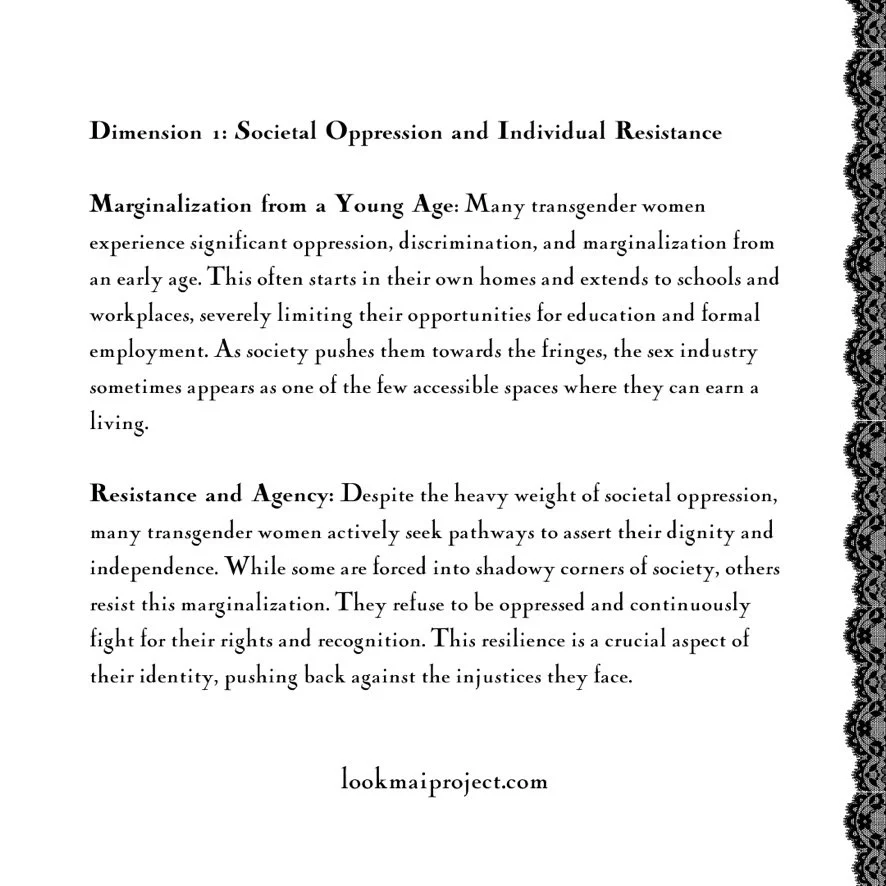
Discrimination often starts during childhood through family rejection, bullying, unequal access to education, and workplace discrimination. These experiences significantly reduce employment opportunities later in life.
-
Beyond Individual Choice
Participation in the sex industry should not be understood solely as an individual decision. It is often shaped by structural inequalities, economic necessity, and limited access to formal employment.
-
Community as a Source of Strength
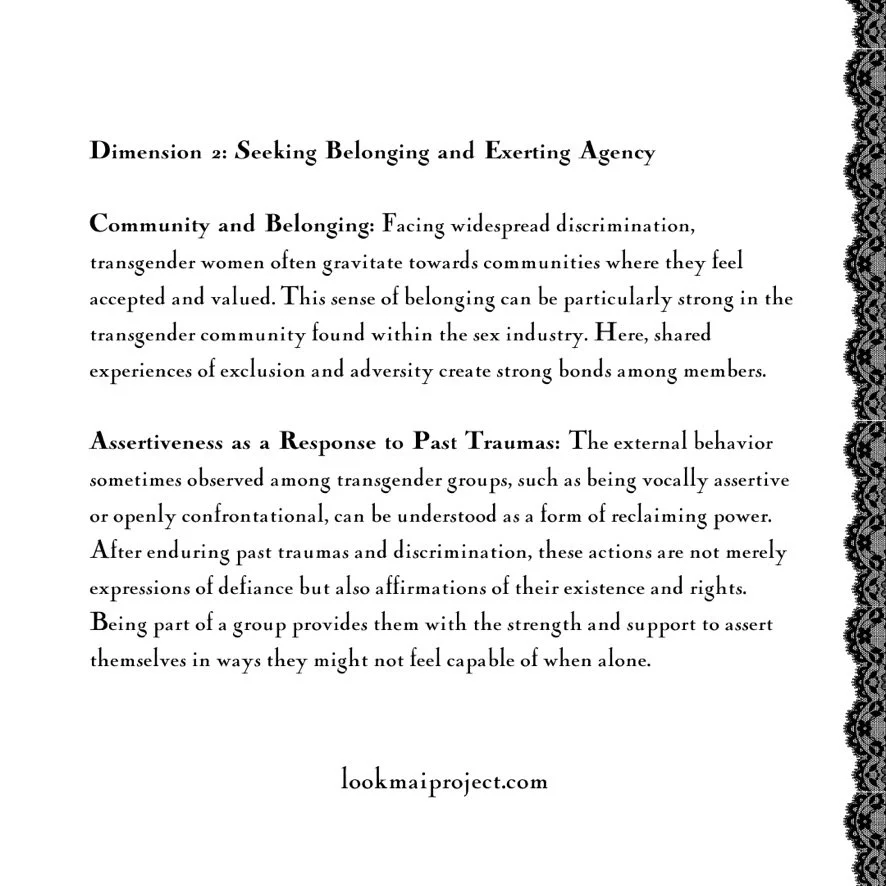
Support networks within the transgender community provide belonging, resilience, and mutual assistance. These communities help individuals navigate discrimination while creating opportunities for empowerment.
-
Recognition Creates Opportunity
Reducing stigma requires more than legal protection. Inclusive hiring practices, education, public awareness, and equitable economic opportunities all contribute to expanding meaningful career pathways.
From Discussion to Action
Research alone cannot create change.
Real progress requires collaboration between policymakers, educational institutions, businesses, community organizations, and the tourism sector to create employment pathways that recognize the dignity and potential of transgender people.
Through initiatives such as vocational training, employer partnerships, entrepreneurship support, and public education, Thailand has the opportunity to become a global leader in inclusive tourism and creative economic development.